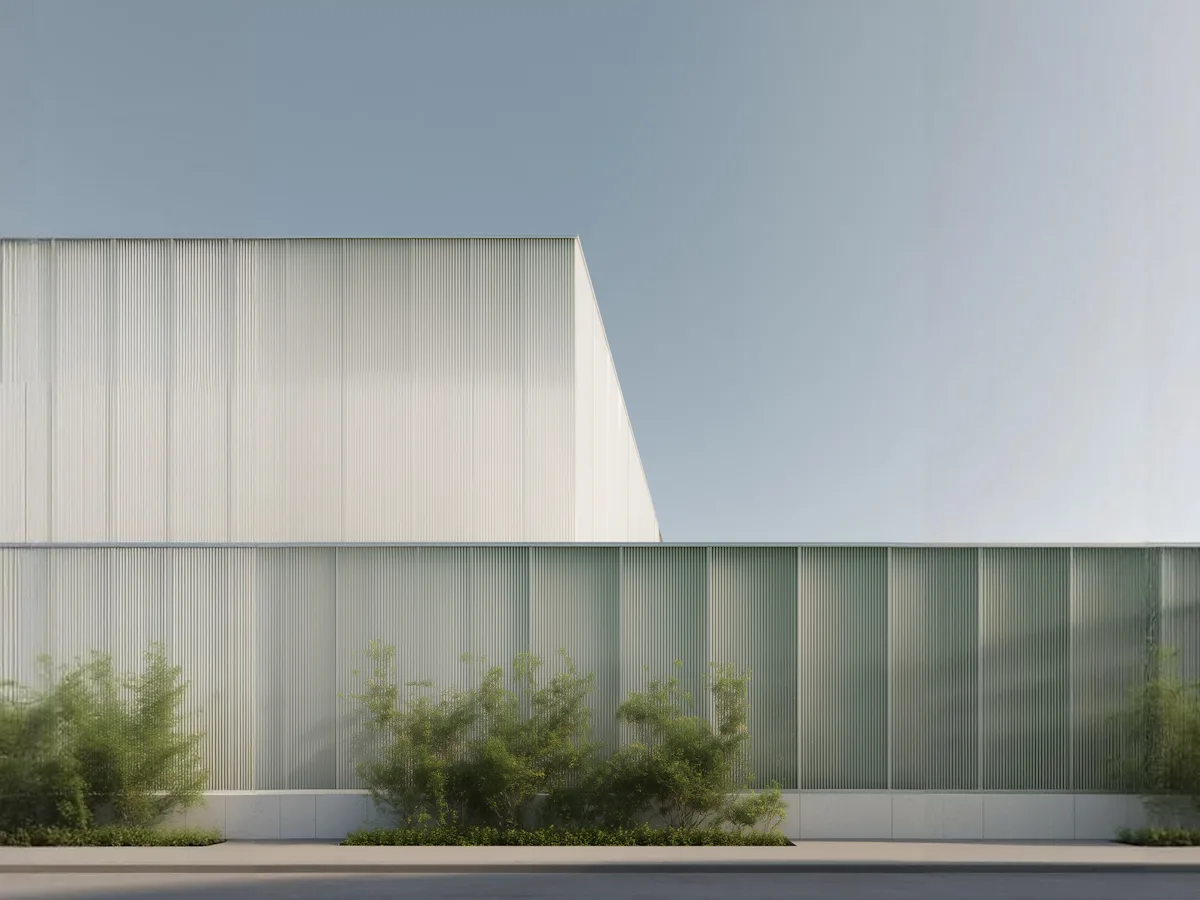
Lighting influences mood, comfort, and perception more than nearly any design element. A thoughtful lighting strategy elevates architectural detail and enriches daily experience.
When natural and artificial lighting work together intentionally, they shape atmosphere throughout the day. Balanced illumination enhances form, softens edges, and creates a calm, functional environment.
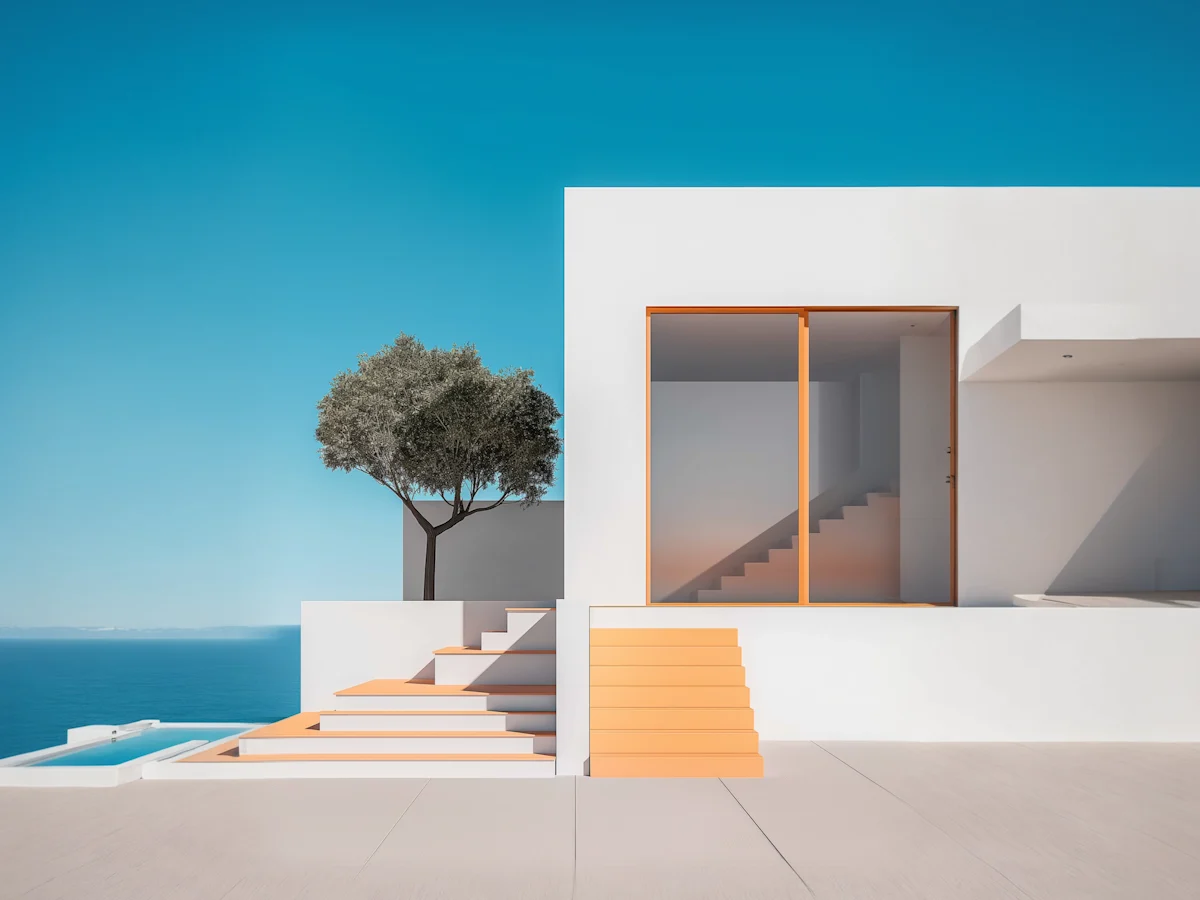
The Power of Natural Light
Natural light is fundamental to wellbeing. It regulates mood, improves clarity, and enhances spatial awareness. Strategic window placement, skylights, and reflective surfaces bring light deeper into interior spaces, reducing reliance on artificial lighting.
Techniques We Apply
Light shafts and atriums
Controlled glazing
High-reflective surfaces
Open-view corridors
These elements create a gentle, shifting quality of light that enriches the home.
Layering Artificial Light
Artificial lighting should complement daylight, not compete with it. Layered lighting—ambient, task, and accent—offers flexibility and mood control.
Ambient light: softens the room and sets general brightness
Task light: supports focused activities
Accent light: highlights architectural features and textures
When combined well, these layers create depth and warmth.
Final Thoughts
Lighting is architecture’s emotional backbone. Thoughtfully layered, it transforms spaces, enhances comfort, and shapes how people experience the built environment.