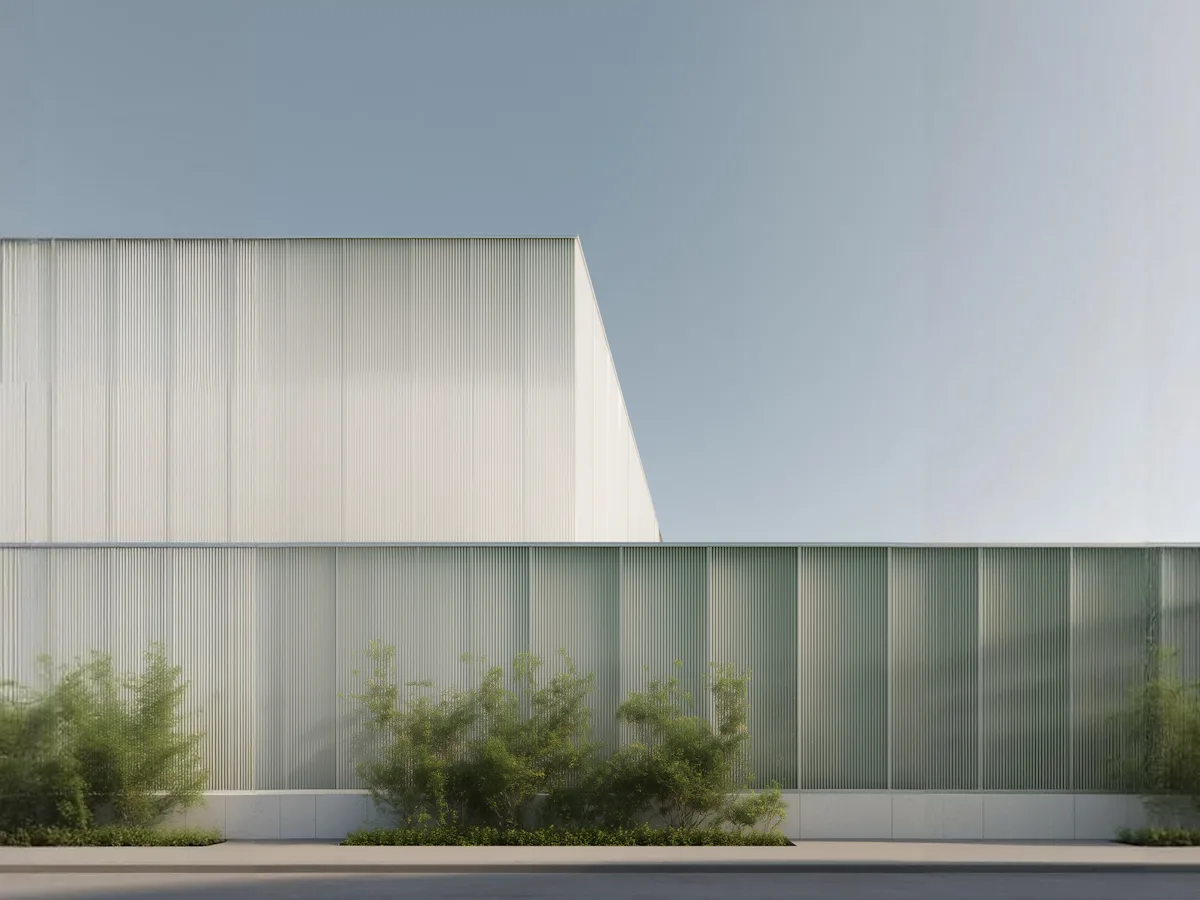
Sustainable architecture reduces energy use, improves comfort, and creates healthier environments. It’s no longer optional—it’s essential to responsible, modern design.
Early integration of sustainability—through materials, systems, and orientation—creates buildings that perform better for longer. These decisions reduce environmental impact while improving occupant comfort and long-term resilience.

Core Environmental Strategies
Good sustainable architecture relies on practical, measurable strategies. Passive design, high insulation performance, efficient building systems, and responsible material sourcing significantly reduce energy waste and operational costs.
Sustainable Approaches We Use
Passive solar heating
Improved insulation
Natural ventilation systems
Low-carbon materials
Water-efficient fixtures
Designing for Performance and Comfort
Sustainable buildings are healthier buildings. Better air quality, improved thermal comfort, and consistent daylight all contribute to overall wellbeing. These enhancements make sustainable design beneficial for both people and the planet.
Long-Term Value of Sustainability
Buildings designed sustainably often last longer and require fewer repairs. They remain adaptable, efficient, and resilient to changing environmental demands.
Final Thoughts
Sustainable architecture strengthens the future of the built environment. It creates spaces that support people while reducing long-term environmental impact.