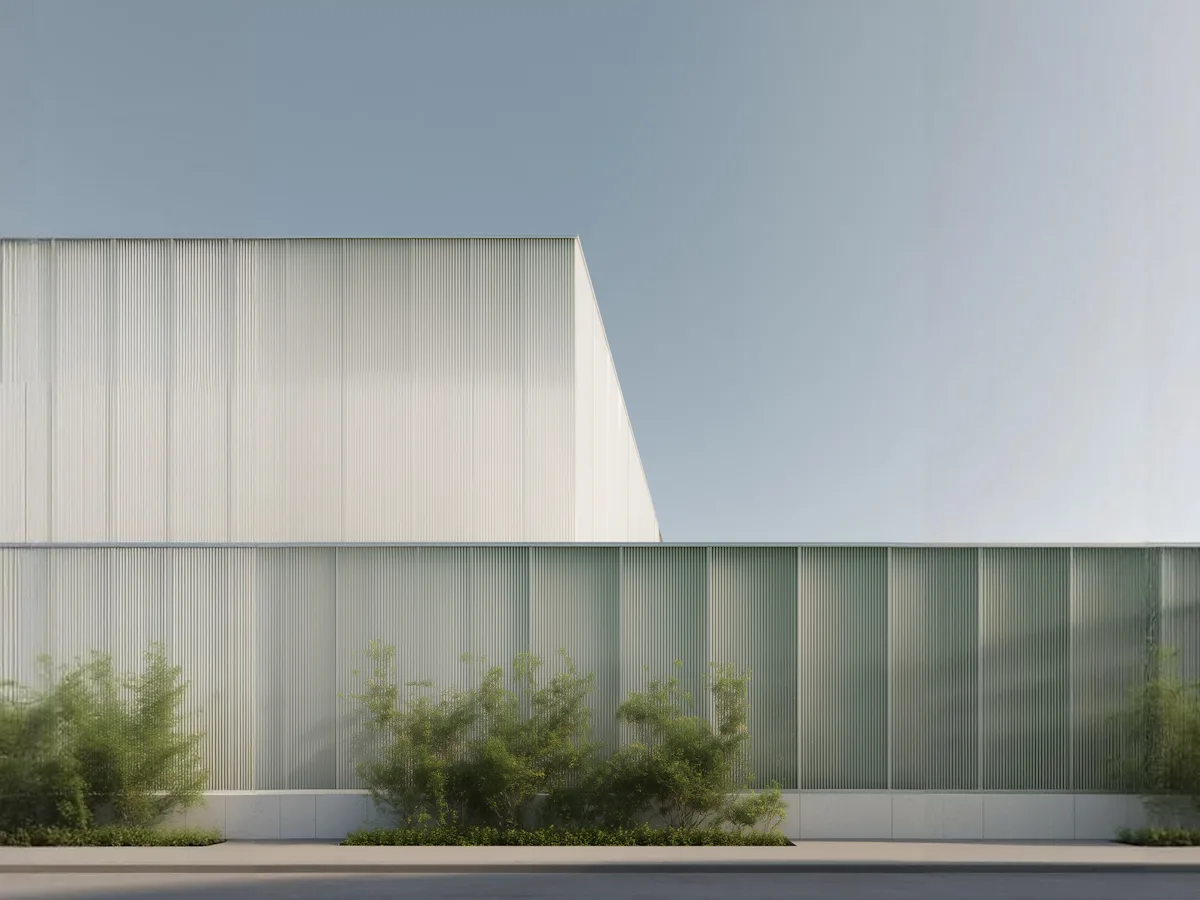
Spatial flow determines how comfortably people move within a home. When designed well, movement feels intuitive, calm, and aligned with how households naturally function.
Poor flow disrupts daily life, causing friction and unnecessary steps. Thoughtful planning ensures rooms feel connected, purposeful, and balanced, allowing the home to adapt seamlessly to changing routines.

Designing Logical, Comfortable Movement Patterns
Good spatial flow begins with understanding how people actually use their homes. Aligning room functions—like placing the kitchen near the dining area or situating a bathroom close to the bedroom—reduces unnecessary movement and enhances comfort.
Spaces should guide people effortlessly. Visual cues, clear openings, and proportionate pathways contribute to an environment where movement feels natural. This sense of ease is one of the most overlooked aspects of architecture, yet it shapes the core of everyday living.
Core Elements of Strong Flow
Clear circulation routes
Logical adjacency between key rooms
Balanced proportions and room scaling
Avoiding tight corners or dead ends
Maintaining visual connectivity
Emotional and Functional Benefits
A home with strong flow feels organised and harmonious. People may not consciously notice it, but they feel it—spaces feel calmer, more coherent, and better aligned with daily rhythms. Poor flow, by contrast, creates subtle stress and inefficiency.
Flow also affects how families interact. It can encourage togetherness in shared spaces while offering privacy in quieter areas. When designed intentionally, flow supports both social and personal needs.
Final Thoughts
Spatial flow is the invisible framework that shapes residential life. When it works well, it elevates the entire experience of living in a home, offering ease, clarity, and long-term comfort.